15yrs
Nick Gray. Ex Hennessy and Porsche.
15yrs
Nick Gray. Ex Hennessy and Porsche.
I run 24 holiday lets across Northern Ireland, and I see the booking data every week. This is what I shoot for, written so you can use it whether you hire me or pick up a camera yourself.
The cover photo is the only one most people see. It sits in a grid of other listings at the size of a stamp, so it has to read at that size.
Pick the strongest wide frame you have: the main living space in good light, or the exterior if the setting is the reason to book. Avoid the bathroom, the hallway and anything dark. If someone can’t tell what the photo shows from across a room, it isn’t a cover.
After the cover, a guest scrolls the first handful of images and decides whether to keep going. On my own listings, those first five carry the booking.
The order I use is simple. The cover. The main living space. The best bedroom. The setting or the view. One detail people will remember, like the hot tub or the fire. Everything else sits behind those five.
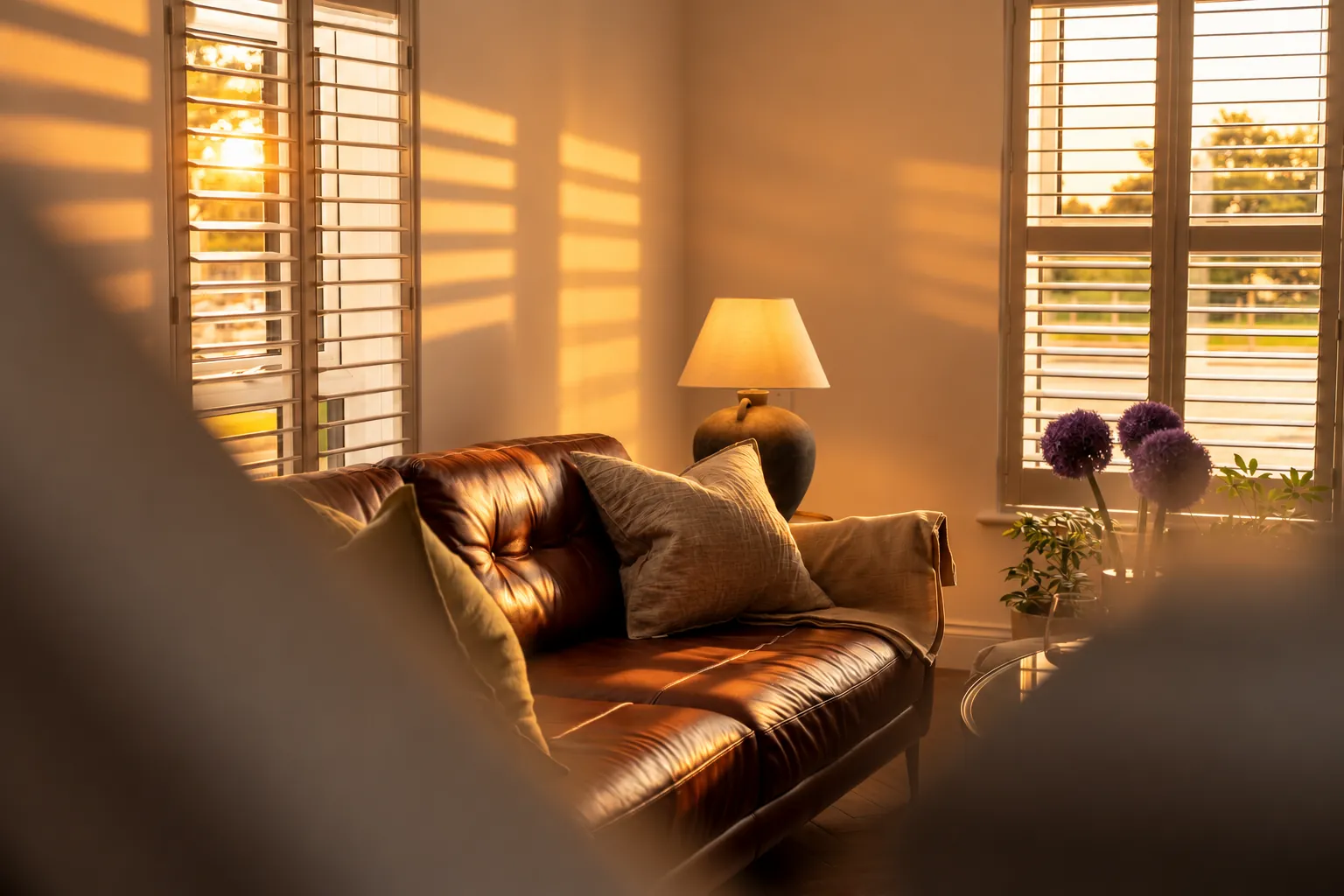
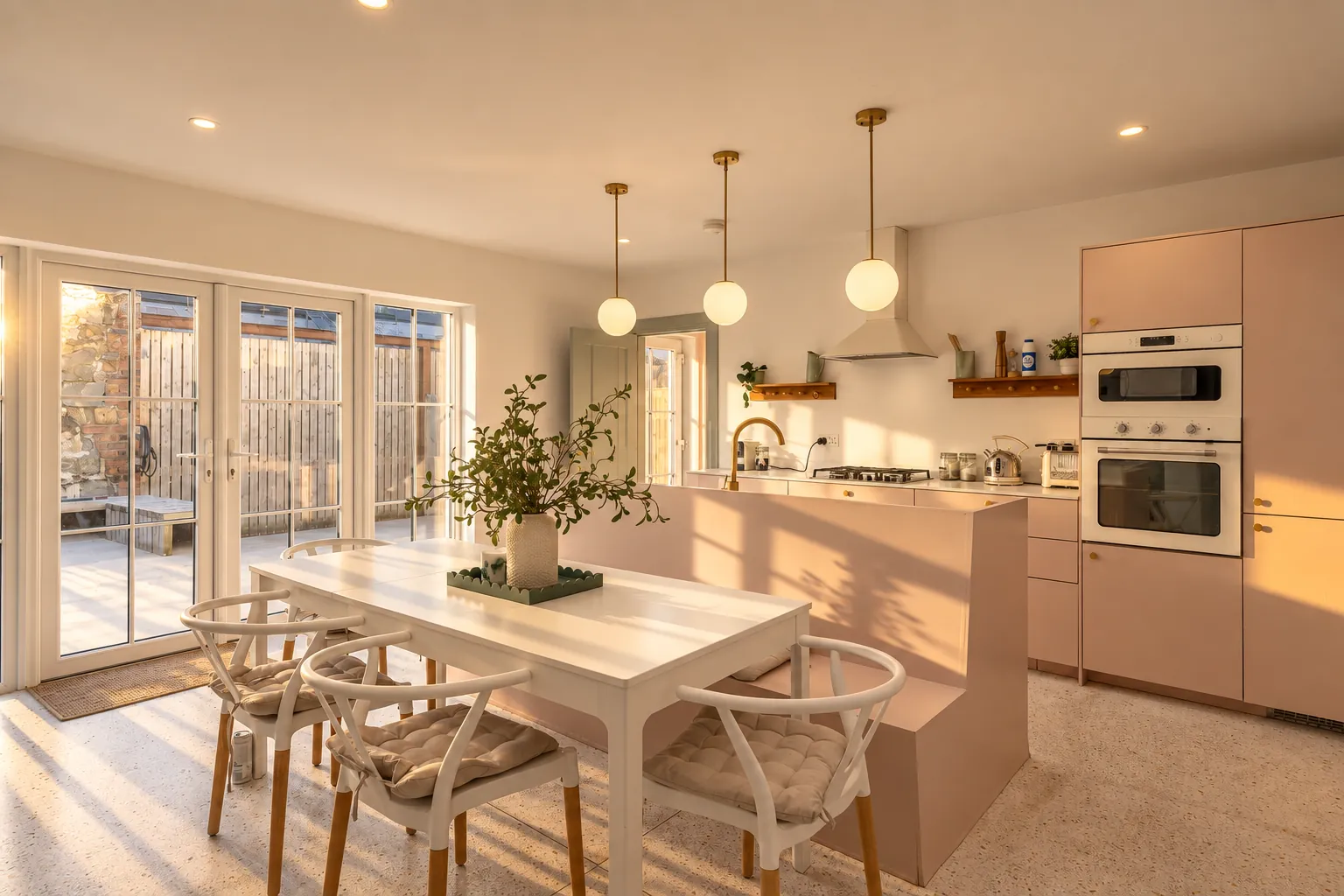
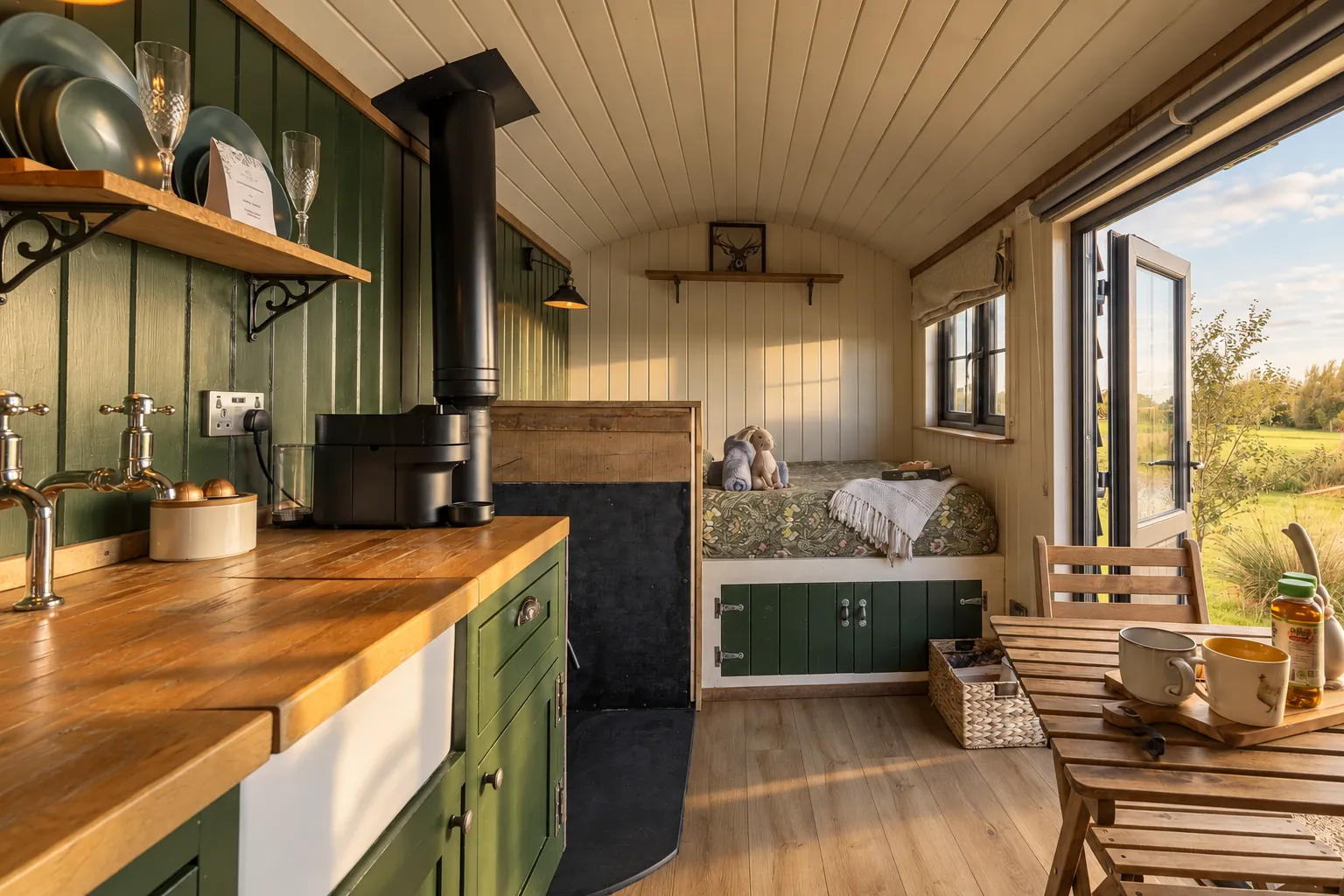
The same room looks like two different places at noon and at seven in the evening. Hard midday sun throws dark shadows and blows out the windows. Low evening sun comes in warm and long and fills the room.
Find out which way each room faces and shoot it when the light reaches it. Shoot the exterior in the last hour of daylight. On a dull day, the soft light is fine for interiors, but save the exterior for a better evening.
Light sells. I’ve spent fifteen years learning where to find it.
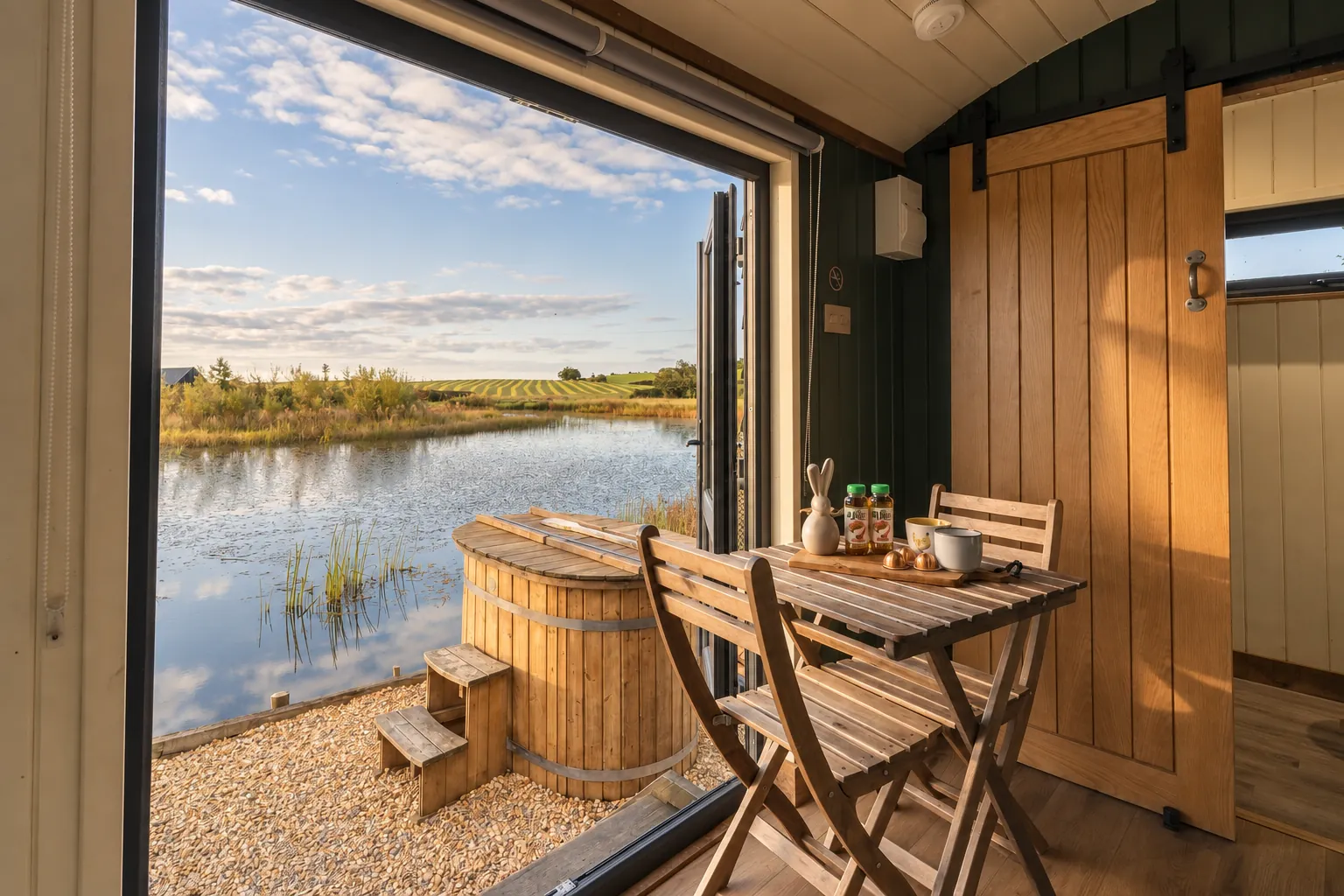
Guests book a place as much as a property. The beach at the end of the lane, the lake outside the door and the view from the garden all belong in the gallery.
Shoot the walk to the door and the view from the main window. If the setting is the point, an aerial frame shows where the house sits better than anything taken from the ground.
The hot tub. The fire lit on a cold evening. The view from the bed. A well-made bed in good light. These are the things guests remember, so give each one its own frame.
Shoot them close, in good light, with nothing else competing in the frame. A detail shot should work on its own as a reason to book.
Keep the camera level so walls and door frames stand straight. Leaning verticals make a room look smaller and the photograph look rushed.
Windows should show the view, not a white glare. If you can’t balance the inside and the outside in one frame, shoot at a time when the light outside is softer.
Most of what makes a holiday let photograph well happens before the camera comes out. Clear surfaces, lamps on, beds made the way a guest would find them, bins and cars out of sight. I’ve put a full room-by-room list in a separate guide to getting your property ready for a shoot.
Short vertical film works hard on social, and it’s easiest to shoot on the same visit as the stills. Keep it slow and steady, and walk the same route a guest would: in through the door, into the main room, out to the view.
Upload landscape images at full resolution and check how each platform crops the cover on a phone and on a laptop. A cover that works on Airbnb can lose its best part on Booking.com, so look at both before you publish.
Every photograph should show the property as a guest will find it. A lens that stretches a small room, or an edit that hides the road outside, leads to a disappointed guest at the door. Sharp, well lit and true beats clever.
A listing shot in high summer can look wrong in November. If you take winter bookings, add a few frames with the fire lit, the lamps on and the blinds half drawn, so the gallery matches the stay a winter guest is booking.
If the listing is new, the bookings have gone quiet, or the property has changed, the photographs are the first thing to look at. I run 24 holiday lets. I know which photograph gets the booking.
If you’d like me to shoot yours, there’s more on how I work on the holiday let photography page.
Thanks. I’ll be in touch soon.